Petaluma Pollinator Patch
BACK TO FULL TOUR
Garden Features
Drought Tolerant
California Natives
Deer Resistant
Drip Irrigation
Pesticide Free
Rainwater Harvesting System
Reclaimed/Recycled Materials
Sheet Mulching
Smart Irrigation Controller
Lawn Conversion
Lawn-Free Landscaping
Permeable Surfaces
Wildlife Habitat
NWF Wildlife Habitat
Outdoor Worm Composter
Partner: 
We purchased our home in 2021 after living in Santa Rosa for over twenty years. We loved the idea of being in a friendly neighborhood within walking distance of a vibrant downtown. The yard, however, was not our idea of a perfect oasis, and after a year-long interior remodel, we set to work outside.
Both the front and backyards had well-watered lawns along with other thirsty plants, none of which were on our planting plan. Another problem was the vast array of invasive or weedy species. Sheet mulching was helpful, but painstaking digging out of the persistent bulbs/bulblets was (and still is) an ongoing process!
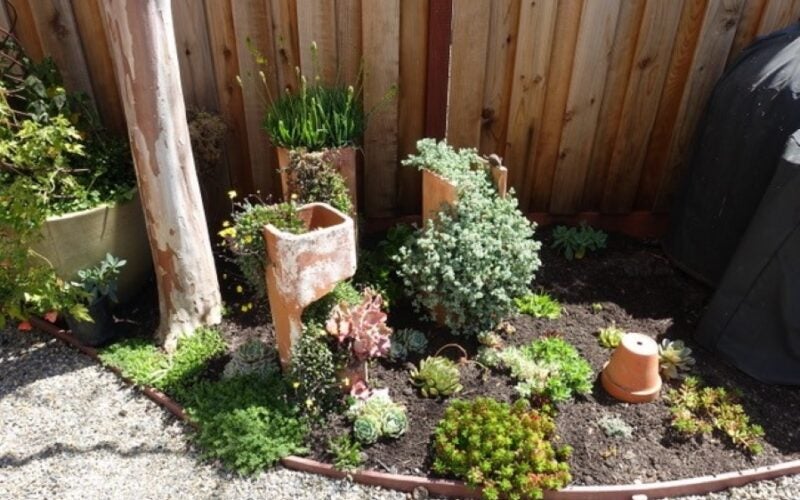
We removed almost everything in the yard. The only plants we kept were a neglected lilac (recently cut back to rejuvenate) and three crape myrtles (Lagerstroemia indica).
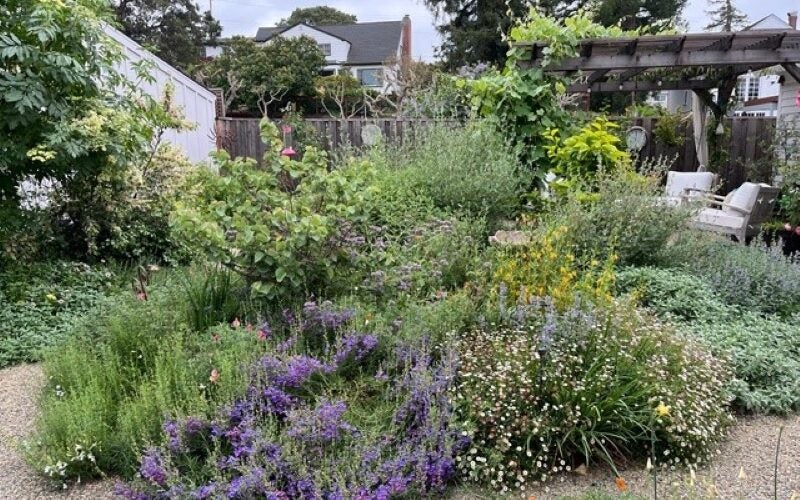
In the backyard we dug out paths and piled the removed dirt into a center island. We upgraded to smart controllers and installed 1/2″ inline drip tubing, snaking it throughout the yard. Somewhere along the way we also installed several rain barrels, which we use for hand-watering throughout the summer.
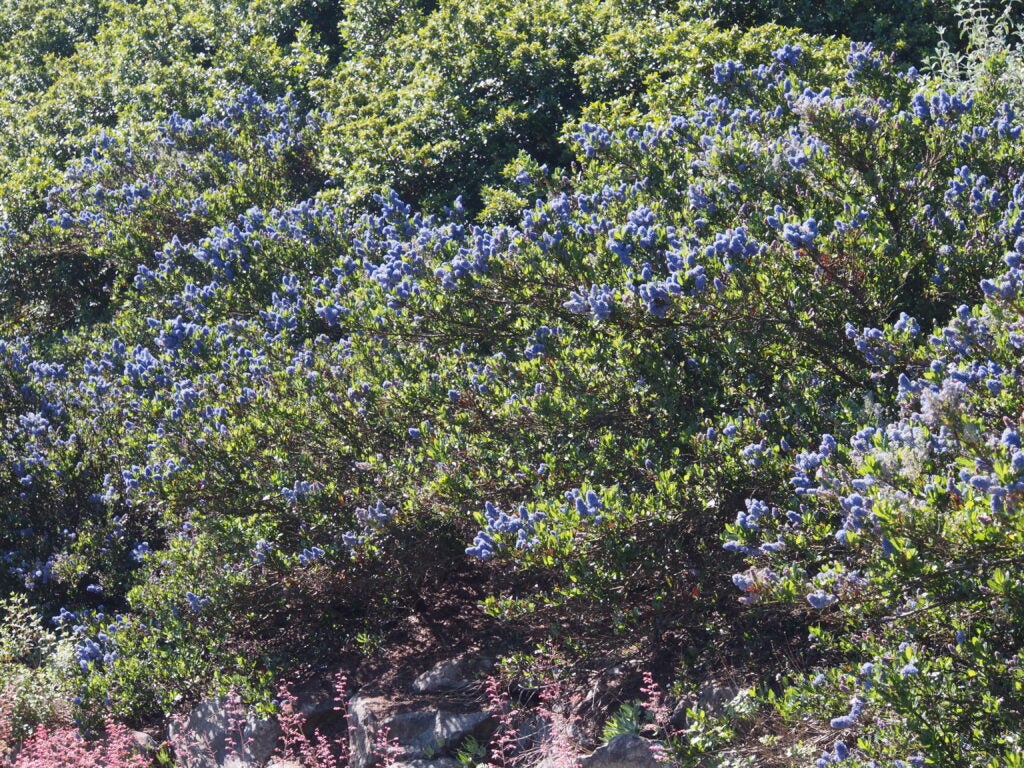
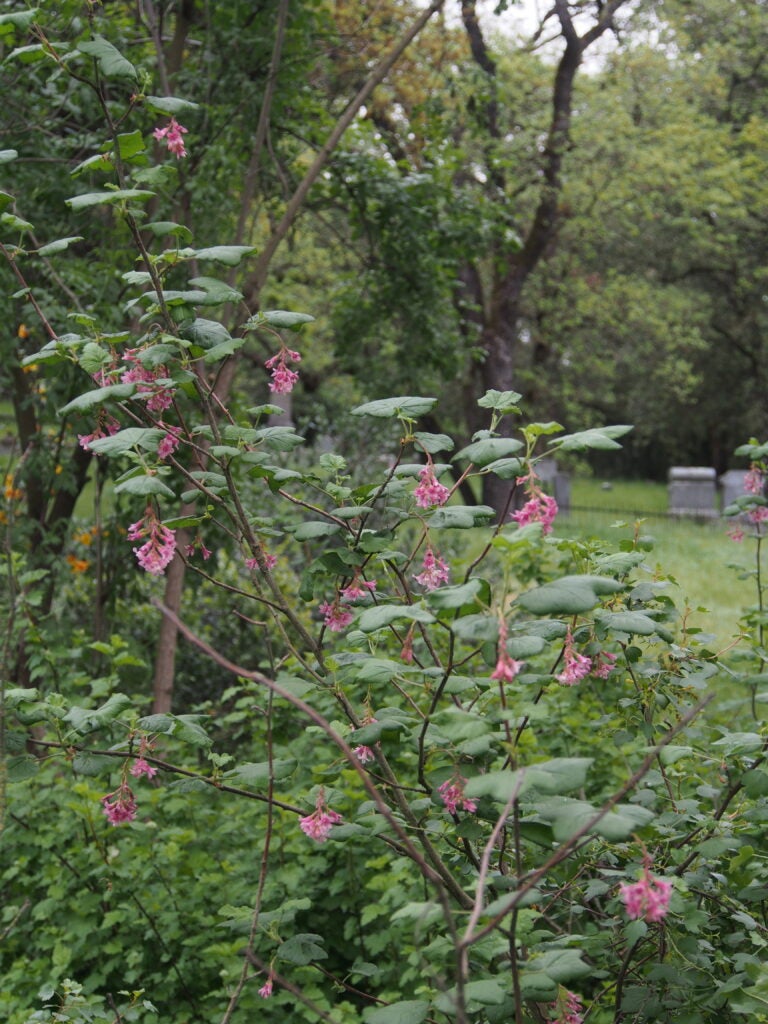
Having experienced the force of climate change firsthand when our Santa Rosa home burned in the 2017 Tubbs Fire, our main intent with this home was to do our part to help save this precious planet. For us, that means that most of our plants are California natives, we use less water and avoid pesticides and petroleum-based fertilizers. We also committed to the National Wildlife Federation’s guidelines for providing wildlife habitat by providing food, water, cover and places to raise young and by practicing sustainable gardening practices. It’s so easy, everyone should do it!
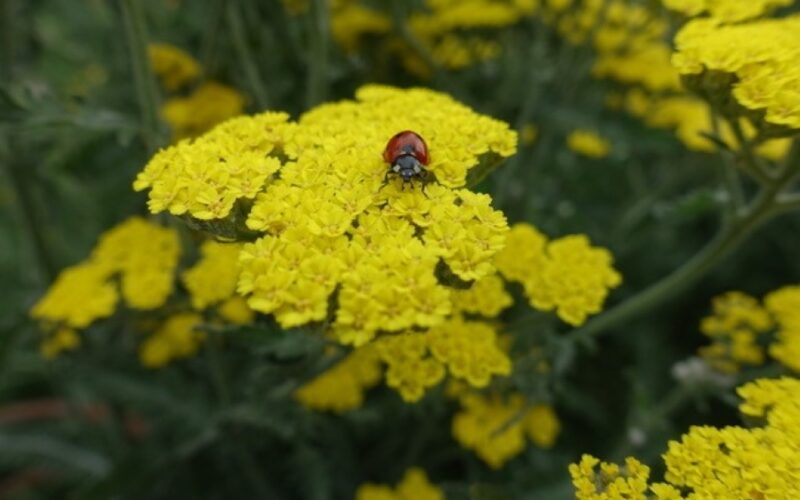
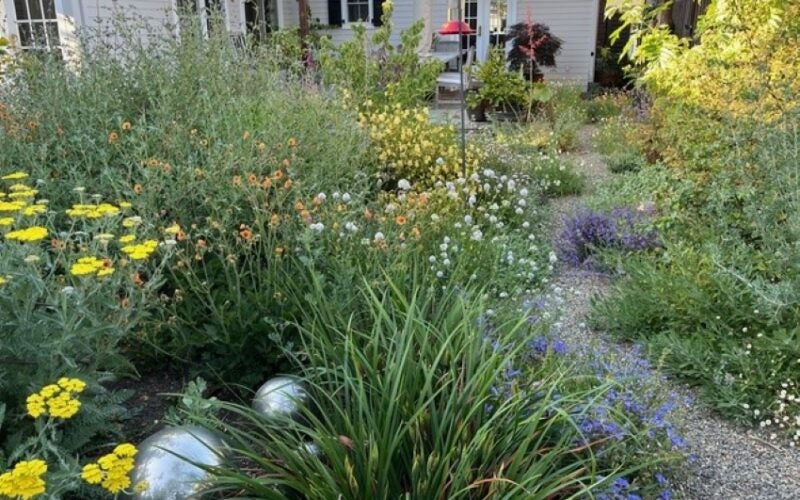
During our short time here, we’ve seen a notable increase in the number and diversity of living things visiting. The variety of native pollinators (remember, honeybees are not native to the U.S.) is remarkable. Each has a preferred type of flower on which to feed, which is one reason you may see all different flower shapes on your tour.
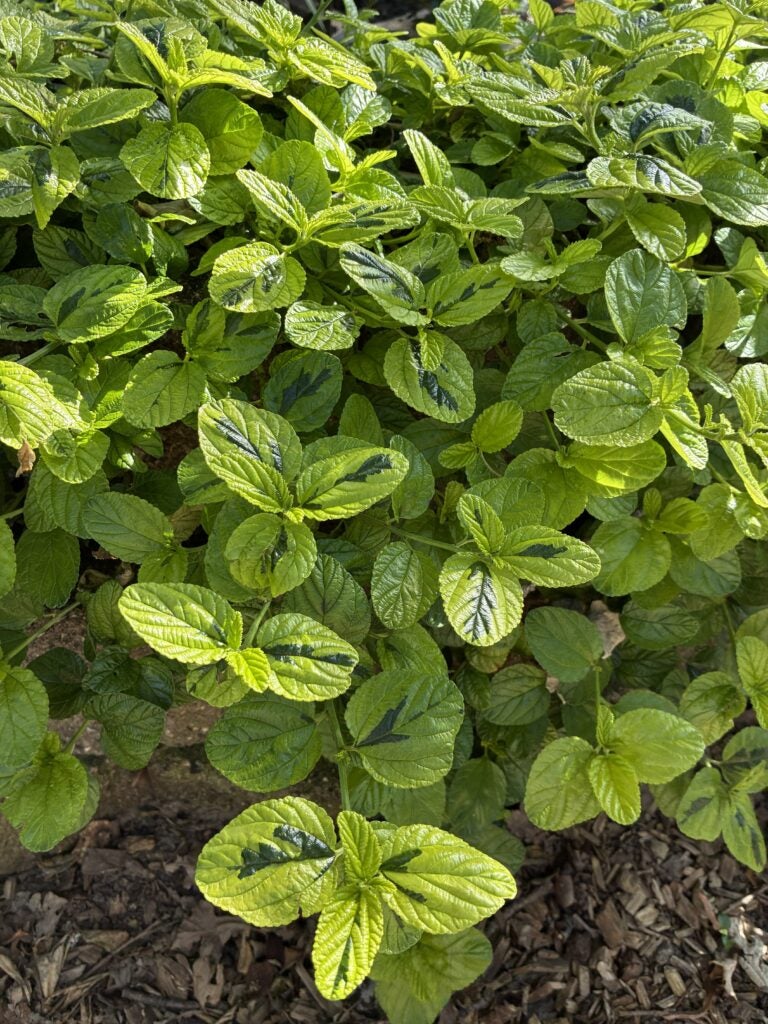
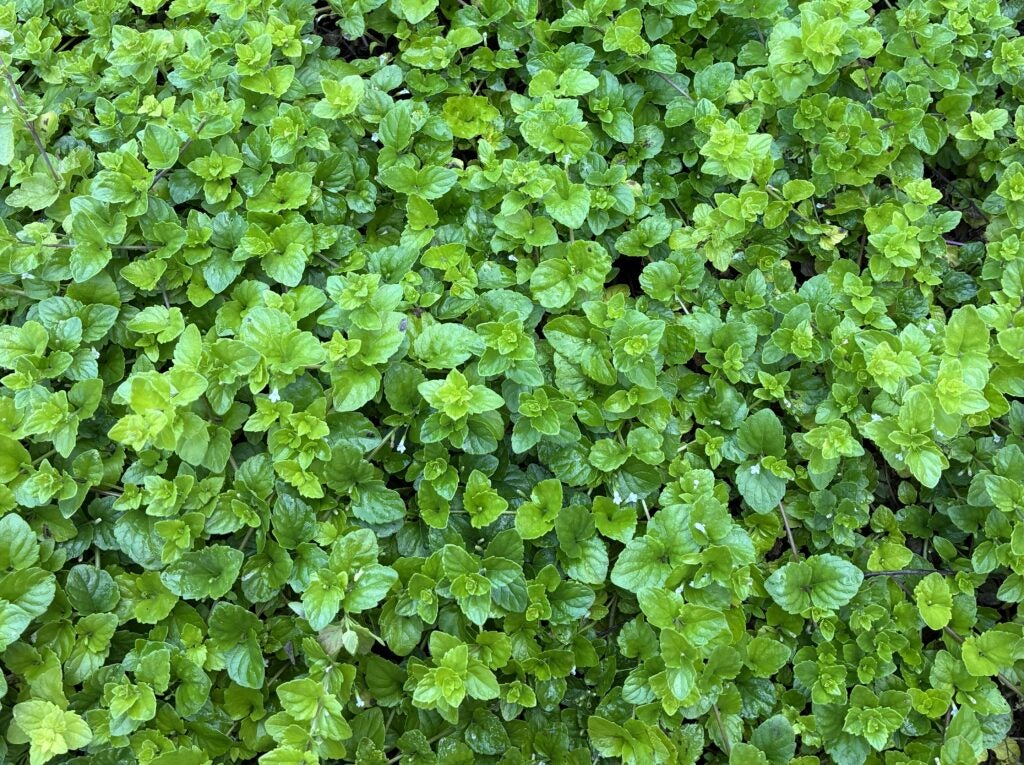
Our small garden is young and ever-changing as we find some plants need more space than we have available. We are keen on stuffing as many plant species and colors into our yard as possible!
Please visit our seed library while you’re here. Every year we save the seeds from many of our plants to share with passersby, hoping to encourage others to create a friendly native habitat in their little piece of the planet, too.
Special Events
Plants in this Garden


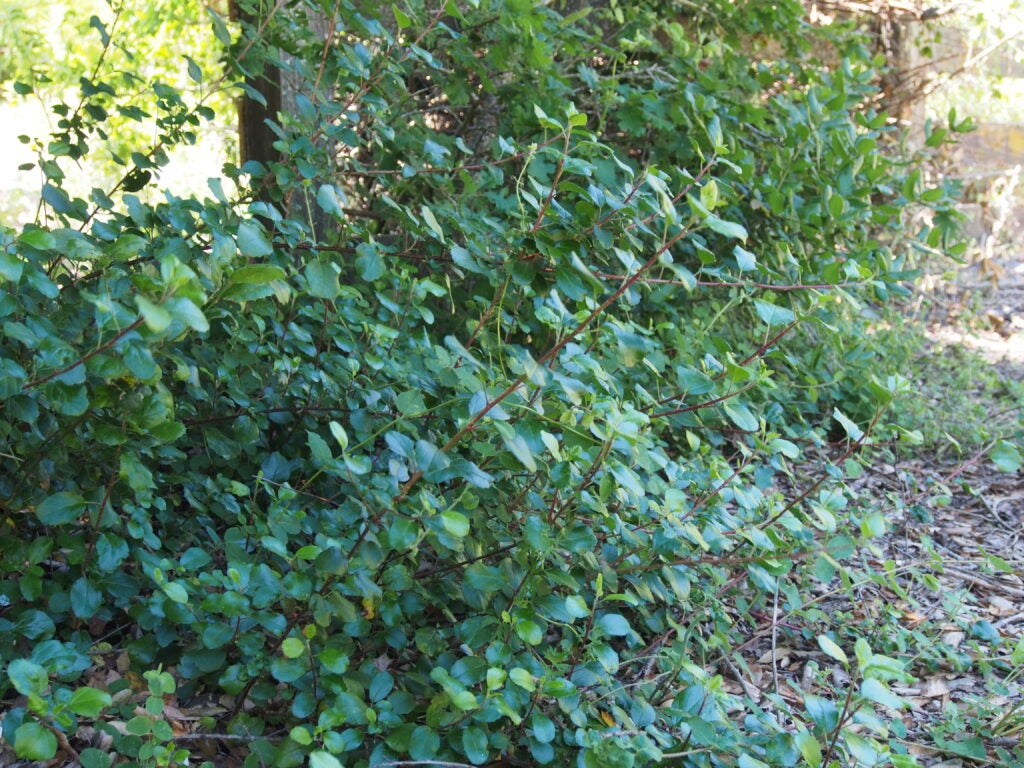
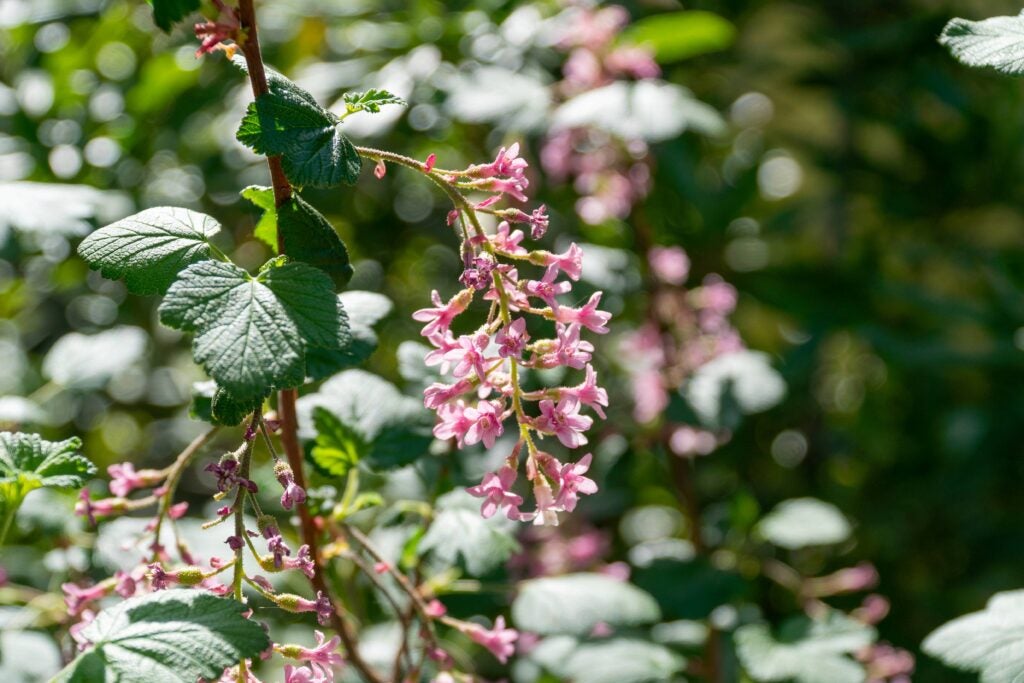
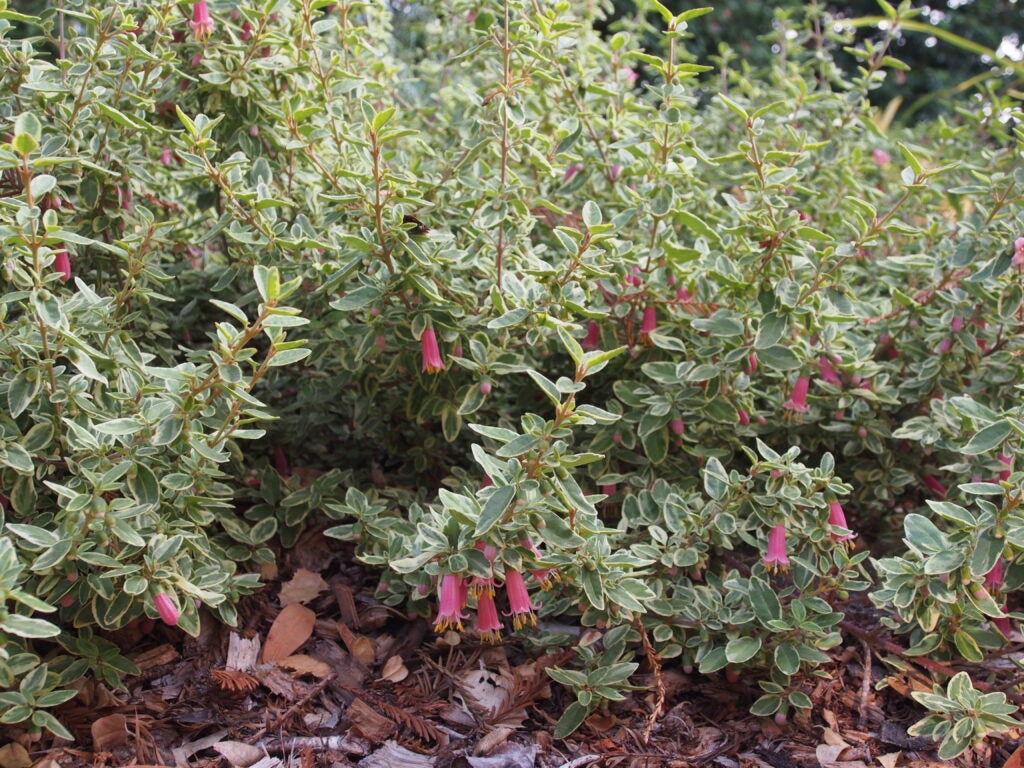
Favorite Plants
Dutchman's Pipevine
Aristolochia californica
Blue Elderberry
Sambucus mexicana
Western Columbine
Aquilegia formosa
Toyon
Heteromeles arbutifolia
Manzanita
Arctostaphylos
Favorite Garden Suppliers
California Flora Nursery
2990 Somers Street Fulton
Urban Tree Farm Nursery
3010 Fulton Road Fulton
The Watershed Nursery Cooperative
601a Canal Boulevard Richmond
Recommended Resources
Gardening Tips
Less is more
We’ve grown up thinking that our landscapes need to be tilled, manicured, molded, shaped, sprayed, raked, etc. Nature had things all figured out before we came along. It’s so much healthier for all living things if we do less in our gardens. The bonus is that less work is more fun!